About BCI
About BCI
The Bureau of Criminal Identification (BCI) is a division of the Utah Department of Public Safety, established in 1927 to support law enforcement and public safety efforts across the state. As Utah’s central repository for criminal history information, BCI is responsible for collecting, maintaining, and providing accurate and secure criminal records. The bureau plays a critical role in supporting law enforcement agencies, assisting with background checks, and ensuring the integrity of criminal justice data. Through its services, BCI helps promote public safety, informed decision-making, and effective administration of justice throughout Utah.
What BCI Does
Maintaining Criminal History Records: BCI manages Utah’s official repository of criminal history information. This includes collecting, updating, and maintaining records of arrests, court proceedings, and case outcomes to ensure accuracy and completeness.
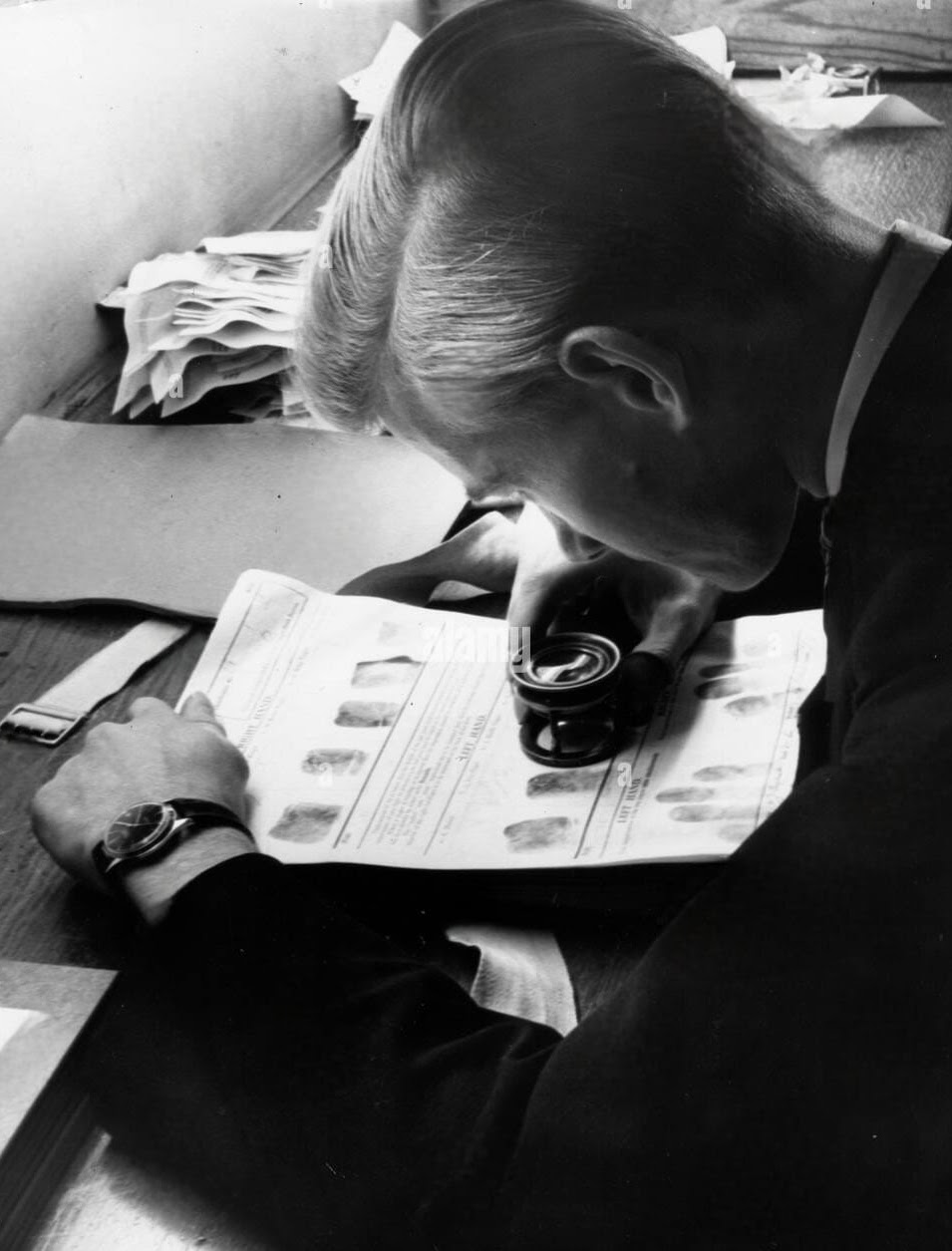
Processing and Managing Fingerprints: BCI collects and maintains fingerprint records for identification, employment, licensing, and criminal justice purposes. These records are securely stored and used to support background checks and identity verification.
Conducting Background Checks: BCI conducts background checks for employment, volunteer service, firearm purchases, and other authorized purposes. These checks involve reviewing state and national databases to identify criminal history or other disqualifying factors.
Processing Expungement Applications: BCI reviews applications for expungement to determine eligibility under Utah law. When approved, BCI issues certificates that allow qualifying records to be removed from public access.
Administering Concealed Firearm Permits: BCI is responsible for issuing and renewing concealed firearm permits in Utah. This process includes conducting background checks and reviewing fingerprints to ensure applicants meet all legal requirements.
Coordinating Missing Person and AMBER Alerts: BCI works in coordination with law enforcement agencies to support the dissemination of alerts for missing or endangered individuals through the Utah Missing Person Clearinghouse and the AMBER Alert system.
Providing Training and Ensuring Compliance: BCI provides training to law enforcement and criminal justice agencies on the proper use of criminal information systems. The bureau also conducts audits to ensure compliance with applicable laws, regulations, and standards.
Collecting and Publishing Crime Data: BCI collects, analyzes, and publishes crime data from agencies across Utah. Annual reports provide insight into crime trends and support informed decision-making by policymakers, law enforcement, and the public.
History of BCI
The Bureau
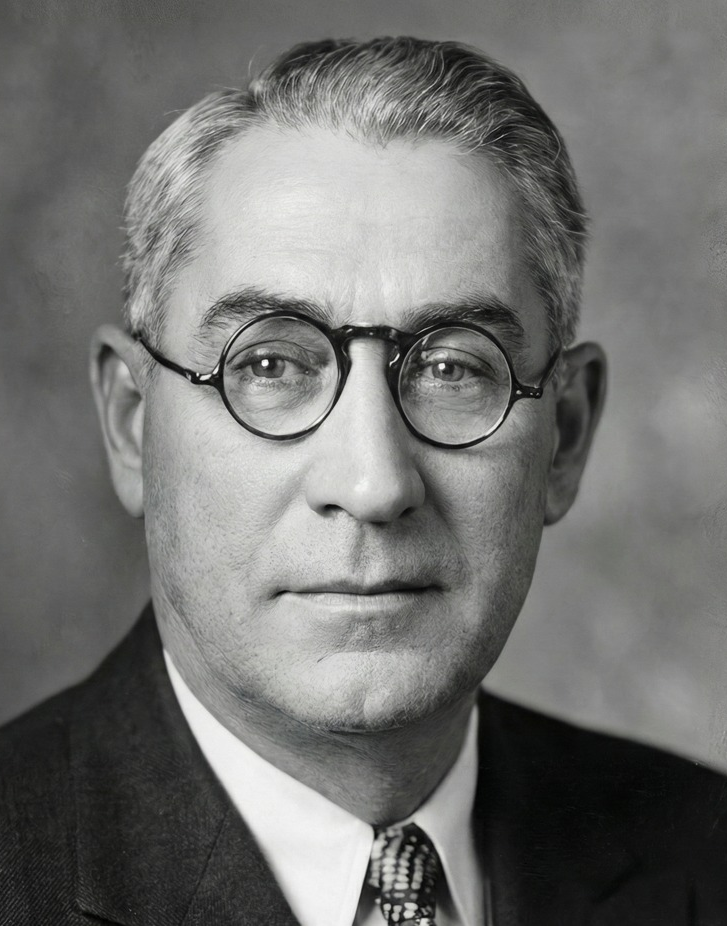
The Bureau of Criminal Identification (BCI) serves as a cornerstone in the state's law enforcement framework, specializing in the systematic collection, analysis, and dissemination of criminal identification data. Established primarily due to the visionary efforts of Richard H. Wootton, BCI has been pivotal in enhancing investigative capabilities and fostering statewide cooperation among law enforcement entities.
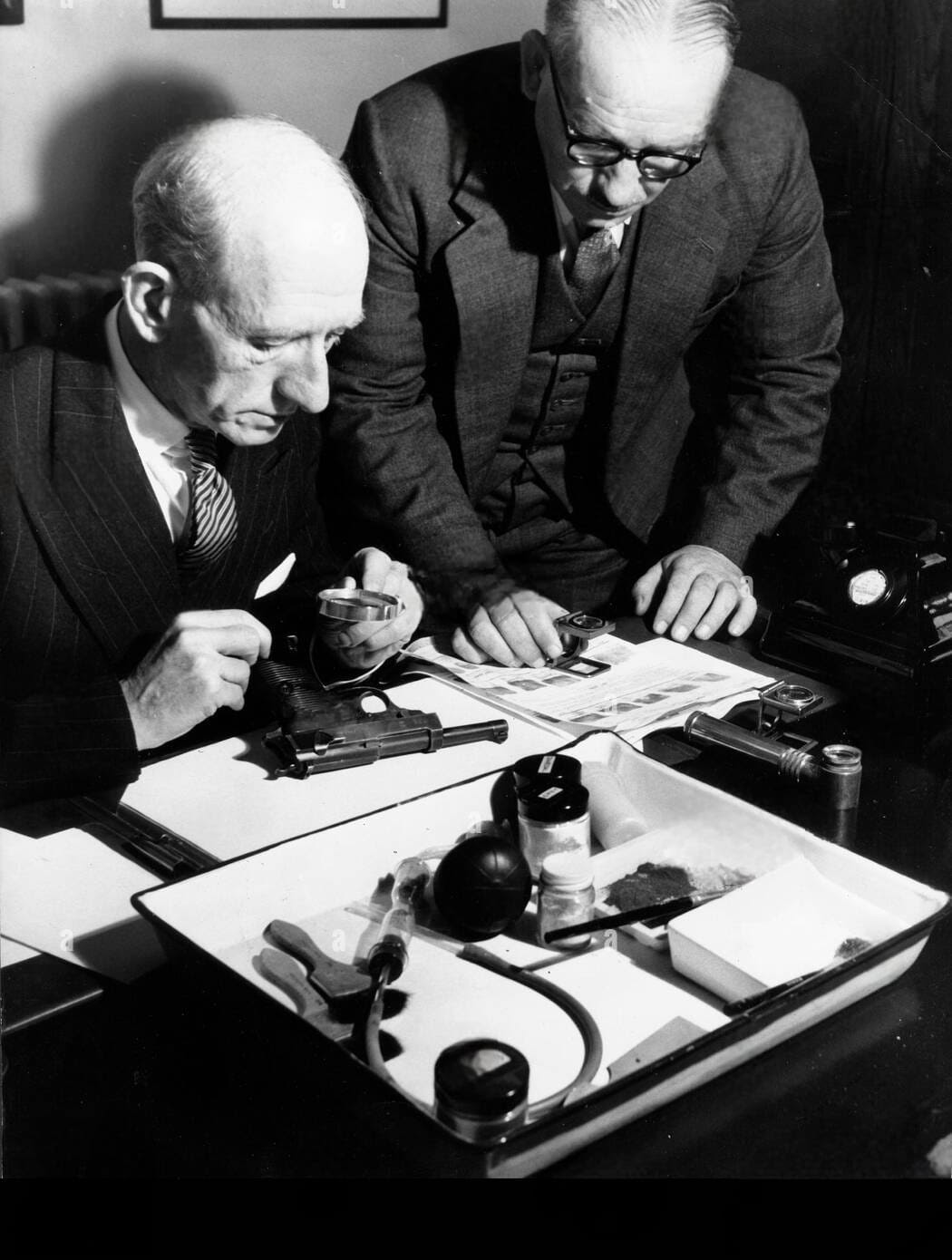
From its inception, the Bureau has been integral in advancing the use of forensic science and identification techniques, including fingerprinting, to solve crimes more effectively and efficiently. This foundation has not only contributed significantly to the safety and security of Utah but also set a precedent for criminal identification practices nationally.
Early Beginnings
The establishment of BCI was born out of a crucial need for more sophisticated crime-solving tools and methodologies. The idea for the Bureau emerged during a period marked by increasing crime rates and the growing recognition of the limitations in law enforcement's ability to track and identify criminals effectively. This was a time when the justice system heavily relied on eyewitness accounts and rudimentary investigative methods, which often led to inefficiencies and errors in criminal identification and prosecution.
The Unknown Soldier
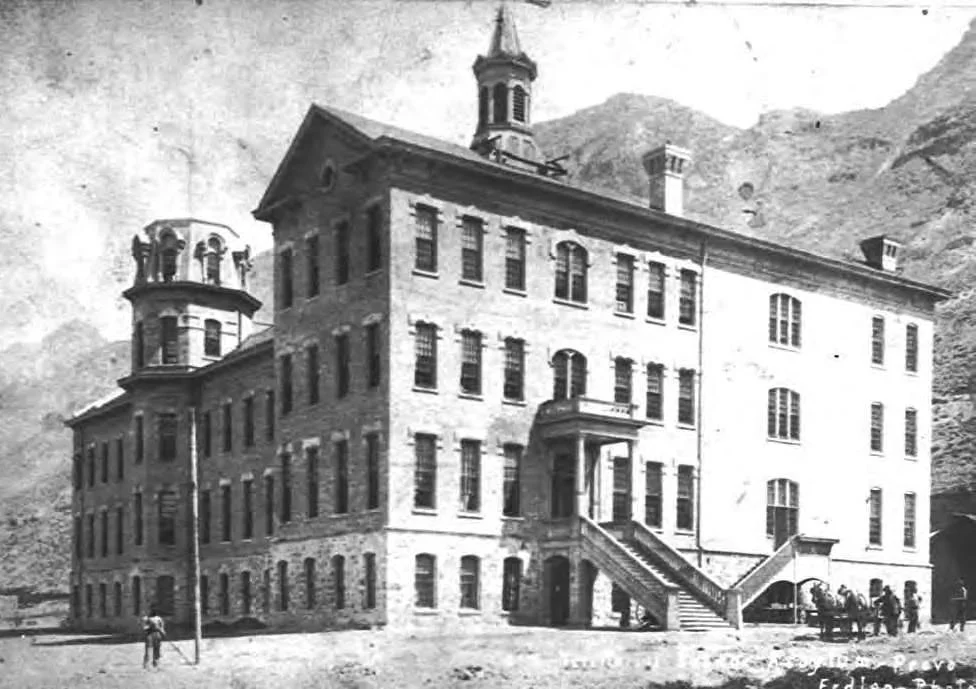
Richard H. Wootton, a key figure in the founding of BCI, was deeply influenced by personal experiences that highlighted these shortcomings. A defining moment in his career occurred around 1917 when an unidentified young man, dressed in a U.S. Army uniform and suffering from amnesia, was brought into the sheriff's office. The inability to identify this man—who ultimately died at the Utah State Mental Hospital without his identity being known—left a lasting impact on Wootton. This incident propelled him to seek better ways to manage criminal identification. His pursuit led him to delve into fingerprinting technology, which at the time was emerging as a revolutionary method for accurately identifying individuals.
Motivated by this case and others like it, Wootton advocated for the establishment of a specialized bureau that would utilize advanced identification techniques to improve the accuracy and efficacy of criminal investigations across Utah. His efforts culminated in the creation of BCI, setting a new standard in criminal justice operations.
Richard H. Wootton: A Pioneering Spirit
Richard H. Wootton was born on December 20, 1881, in Midway, Utah, and his career in law enforcement began in the early 1910s when he joined the Ogden City Police Department. Wootton’s tenure as a law enforcement officer was marked by rapid advancement, moving from patrolman to detective in a short span. His interest in improving police methods was sparked by a personal encounter with a case involving an unidentified young man in a U.S. Army uniform who suffered from amnesia, which left a profound impact on him.
Driven by the desire to ensure that no individual's identity would remain unknown like the young soldier's, Wootton embarked on a mission to learn about and implement fingerprinting techniques. His quest for knowledge led him to some of the larger police departments in the United States, and eventually to completing a correspondence course in fingerprinting from the University of Applied Science in Chicago, a leading identification school at the time.
Using this newfound expertise, Wootton established the first fingerprint identification division in Utah within the Weber County Sheriff's Department in 1917. This initiative marked the beginning of systematic fingerprint identification in Utah, setting a precedent for the state in utilizing forensic science to aid law enforcement activities. His continuous efforts and advocacy for improved criminal identification methods culminated in the founding of the Utah State Bureau of Criminal Identification and Investigation in 1927, where he served as the first director.
"Wootton envisioned a bureau that would maintain records and support local law enforcement agencies with fingerprint identification and other investigative services."
Bureau of Criminal Identification and... Investigation?
Richard H. Wootton envisioned the Utah State Bureau of Criminal Identification and Investigation (BCI) as more than just a repository for criminal records; he saw it as a dynamic force in state law enforcement that could actively assist in criminal investigations across Utah. One of his pivotal ideas was to have BCI provide specially trained state investigators to help local police departments with major criminal investigations.
Recognizing the limitations of smaller, rural police forces in handling complex crimes, Wootton proposed deploying specially trained state investigators with expertise in advanced scientific methods like fingerprint analysis and forensics. These investigators would also train local officers, raising investigative standards statewide. However, his initiative faced hurdles like funding constraints and varied reception from local authorities, limiting its implementation and reach.
Early Achievements and Challenges: The First Year of BCI
After BCI's founding in 1927, the initial year was both a period of significant achievements and notable challenges, as the Bureau sought to establish its role and demonstrate its value to the law enforcement community across Utah.
Infrastructure and Operations Setup
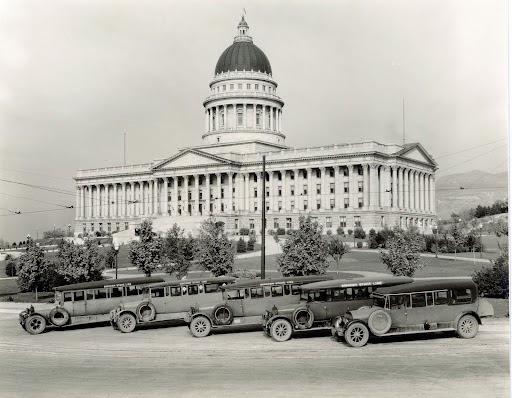
One of the first tasks was to create a functional office space. Given the limited budget and lack of suitable premises, Wootton was resourceful in setting up BCI's first office. They settled in a converted basement space in the State Capitol, utilizing discarded furniture and equipment to furnish the office. Despite these humble beginnings, the dedication of the BCI's small staff, consisting initially of Wootton and a typist, ensured that operations got off to a solid start.
Development of the Fingerprint Database
A critical early focus was building a comprehensive fingerprint database. This repository began primarily with records transferred from the state prison, forming the nucleus of the BCI's collection. Over the course of the first year, BCI began coordinating with local police departments across the state, encouraging them to submit fingerprint cards and other identification details of arrested individuals. This effort was crucial in expanding the database and enhancing its utility.
Legislative and Law Enforcement Support
To solidify BCI's foundation, Wootton and his team worked closely with state legislators and law enforcement agencies to promote the importance of BCI. Their efforts were instrumental in the passage of a law mandating that all local police departments cooperate with BCI. This legislation greatly facilitated the collection of identification data, enhancing the bureau's ability to assist in criminal investigations statewide.
Training and Education
Recognizing the need for proper training in the new methods of criminal identification, BCI conducted several training sessions for police officers across the state. These sessions focused on the science and technique of fingerprinting, ensuring that law enforcement personnel were competent in both collecting and interpreting fingerprint data.
Challenges and Solutions
The first year was not without its challenges. The bureau faced skepticism from some quarters of the law enforcement community, who were unfamiliar with or doubtful about the new techniques. Additionally, the operational constraints imposed by a limited budget and initial staffing shortages meant that Wootton and his team had to be exceptionally innovative and efficient in their work.
Impact and Success
Despite these hurdles, BCI's impact was quickly felt. By the end of its first year, BCI had processed thousands of fingerprint cards, leading to numerous identifications that assisted in criminal cases across Utah. The success stories of its first year greatly contributed to BCI's credibility and laid a strong foundation for its future.
BCI's First Year
One of Wootton's key objectives for BCI was to demonstrate that a significant majority of crimes were committed by repeat offenders, thereby justifying the need for comprehensive and continuous monitoring of these individuals.
After BCI's first year, three-fourths of all criminals arrested were shown to be repeat offenders.
| Statistic | Number |
|---|---|
| Total Fingerprint Cards Received | 2,569 |
| Fingerprint Cards Identified | 505 |
| Fingerprint Cards Received from Out of State Agencies | 1,619 |
| Out of State Fingerprint Cards Identified | 98 |
| Total Name-Index Cards on File | 16,755 |
| Total Criminal Record Cards on Persons Arrested More Than Once | 2,987 |
Wartime Contributions
At the onset of World War II, BCI provided vital identification services for federal agencies and defense plants, helping to ensure that individuals in sensitive positions were properly vetted. BCI's cooperation with the FBI and other state bureaus highlighted its role as a key player in national security efforts during this critical period.
Leadership Transition and Continued Growth
In 1949, after more than two decades of dedicated service, Wootton retired, leaving behind a legacy of innovation and excellence in criminal identification. His successor, James Faust, and later Peter Dow, continued to build on Wootton's foundation, expanding BCI's capabilities and enhancing cooperation with local police departments.
Legacy
Today, the Utah Bureau of Criminal Identification has grown from its modest beginnings in the Capitol basement to a now eleven-section agency. From the Brady Section, which runs background checks on Utah gun purchases, to Expungements, which determines eligibility for removing criminal history for the hope of a better future, BCI carries forward a proud legacy of modernization, justice, and public safety.